General Contractor Expertise: Making Sure Your Project Succeeds
General contractor services play an essential role in the building industry. These professionals manage the challenges of building endeavors, ensuring everything runs smoothly from start to finish. Their duties encompass securing permits, managing subcontractors, and staying within budgets. Despite these crucial functions, numerous clients are still uninformed of the process of choosing the appropriate contractor or the obstacles these specialists navigate. Comprehending these factors can significantly influence project outcomes, inspiring additional inquiry into the intricacies of what they provide.
Core Services That General Contractors Provide
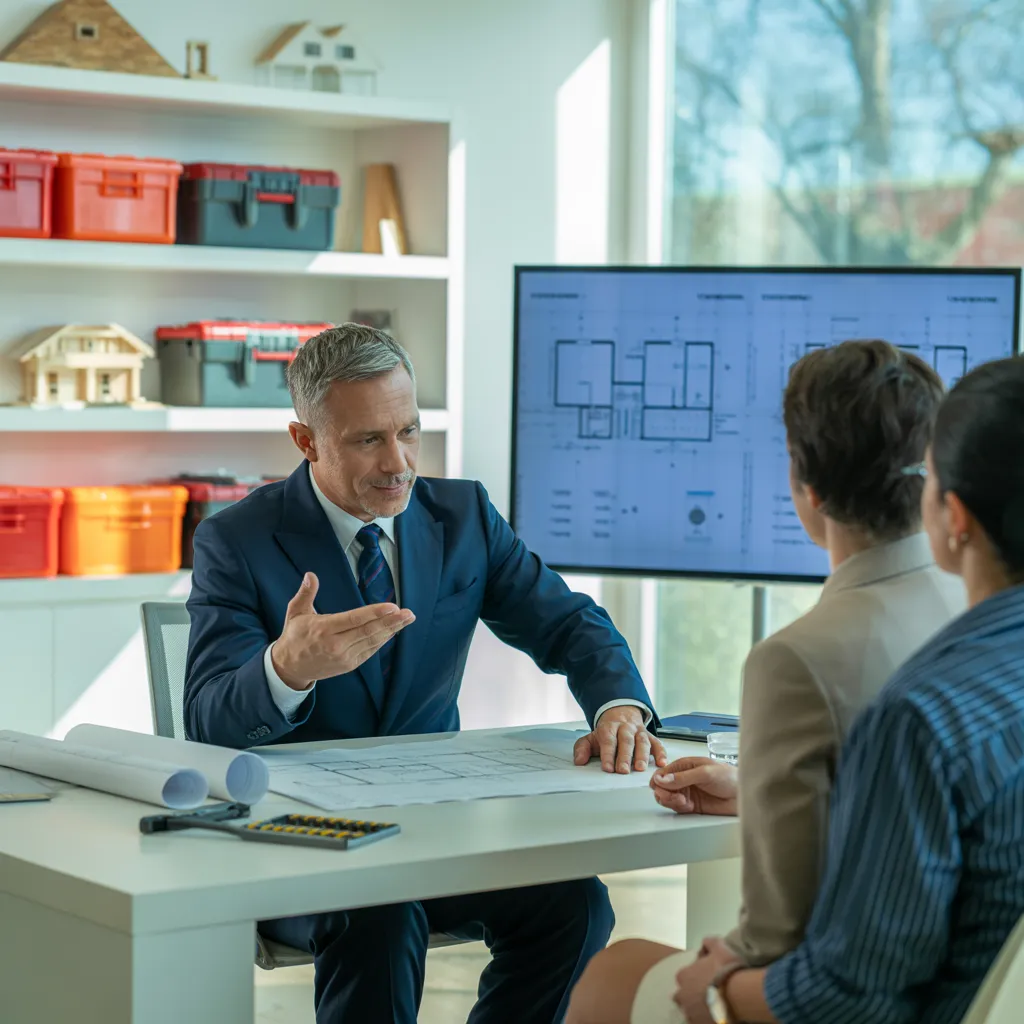
General contractors serve a crucial function in the building industry by providing a range of fundamental services. They take charge of managing the complete construction process, guaranteeing that projects are completed on time and within budget. Core services include project management, where they coordinate various tasks and subcontractors, ensuring effective communication and workflow. Furthermore, they manage procurement, sourcing materials and equipment needed for the project while establishing agreements with suppliers.
General contractors likewise secure conformance with local building codes and ordinances, shielding the project against legal issues. They frequently perform site inspections to oversee progress and copyright quality standards. Furthermore, they handle budgets, recording expenses and tackling any financial concerns that may develop. By means of these comprehensive services, general contractors serve as the central figure in construction projects, supporting a fluid and productive execution from beginning to end. Their knowledge is critical for accomplishing desired goals in construction projects.
Grasping the Role of a General Contractor
The function of a general contracting professional covers a variety of critical responsibilities that guarantee the seamless completion of construction projects. Strong communication is vital, as it facilitates collaboration here among multiple stakeholders, including clients, subcontractors, and suppliers. Understanding these aspects is necessary for understanding the value a construction manager delivers to every project.
Essential Duties Established
Navigating the complexities of construction projects necessitates a clear understanding of the key responsibilities held by a general contractor. Primarily, a general contractor manages the entire construction process, collaborating between various subcontractors and ensuring that work aligns with the project timeline and budget. They are tasked with securing necessary permits and licenses, overseeing procurement of materials, and conducting regular site inspections to preserve quality standards. Moreover, they serve as the primary point of contact for the client, addressing any concerns that emerge during the project. By efficiently overseeing resources and timelines, the general contractor proves essential in minimizing delays and guaranteeing that the project follows safety regulations and building codes, thereby ensuring project success.
Significance of Effective Communication
Strong communication acts as the foundation of effective construction management. General contractors must effectively relay details between clients, suppliers, and subcontractors to guarantee project goals are met. This encompasses reviewing budgets, timelines, and design requirements, which play a vital role in sustaining project progress. Misunderstandings can lead to costly delays and subpar results, emphasizing the need for transparency across all communications. Frequent check-ins and transparent communication promote cooperation and aid in detecting challenges before they become serious. Additionally, a general contractor's ability to translate technical jargon into layman's terms boosts client awareness and contentment. At its core, clear communication not only optimizes the construction workflow but also builds trust among all parties involved, leading to successful project outcomes.
How to Find the Ideal General Contractor for Your Project
Identifying the best general contractor for a construction project can significantly affect its success. Future clients should commence by researching a contractor's professional credentials, including licensing, insurance, and bonding, which are important measures of trustworthiness. Endorsements from colleagues, family, or professionals can offer useful insights into a general contractor's reputation and previous work.
Furthermore, analyzing portfolios and case studies is useful for assessing a contractor's expertise in related projects. Conducting interviews is critical, raising detailed questions about their process, timeframes, and strategies for resolving challenges. Gathering several bids enables clients to assess pricing, but the lowest bid isn't always the best choice; skill level and work quality must be carefully considered when making a determination.
To conclude, examining communication patterns and ensuring alignment with project goals is vital. A professional who attentively listens and appreciates the client's vision can foster a collaborative environment, ultimately leading to successful project outcomes.
How Strong Communication Improves Construction Projects
Effective communication acts as the foundation of thriving construction endeavors, guaranteeing that every participant stays coordinated during the entire project. Effective communication channels facilitate the exchange of vital details, spanning technical specifications and deadlines. This openness serves to avoid miscommunication, minimizing the chances of expensive setbacks and revisions.
Regular updates and feedback loops promote teamwork between architects, engineers, and contractors, nurturing a collaborative environment. When goals are explicitly defined, team members are able to concentrate on their respective duties with certainty, knowing they are working toward a shared objective.
Furthermore, tackling issues quickly through transparent communication reduces friction and fosters confidence among team members. This preventive strategy not only strengthens decision-making but also encourages a culture of ownership. Ultimately, the integration of effective communication strategies greatly contributes to the overall success and efficiency of construction projects, paving the way for timely completion and high-quality outcomes.
How Contractors Handle Your Budget and Timeline
Accurate budget planning and timeline oversight are critical components in the construction process. Construction professionals employ comprehensive planning and strategic resource allocation to confirm projects stay within financial limits while adhering to schedules. Through managing these key elements, they elevate the overall success of projects and strengthen client relationships.
Accurate Budget Estimation
Precise budget estimation is critical to the success of every construction project, as it directly affects both the fiscal and scheduling components. General contractors employ thorough cost analysis techniques, including detailed material and labor assessments, to establish a workable budget. They frequently depend on historical data and current market trends to estimate expenditures reliably. By factoring in potential risks and unanticipated costs, contractors establish a practical financial structure that shields clients from cost overruns. Additionally, they partner directly with suppliers and subcontractors to secure competitive pricing, ensuring that the budget continues to support project targets. This careful methodology not only cultivates reliability but also boosts project productivity, ultimately contributing to the successful completion of the construction endeavor.
Effective Timeline Management
Excelling at timeline management is essential for construction managers as it significantly affects both the length of a project and budget adherence. Skilled project managers employ thorough scheduling strategies, leveraging digital tools to develop thorough timelines that define each phase of construction. They identify key project benchmarks and allocate resources efficiently, making sure deadlines are consistently met. Regular progress monitoring enables quick modifications, reducing setbacks from unexpected challenges. Moreover, open dialogue with subcontractors and suppliers fosters collaboration and accountability, enhancing overall project efficiency. By keeping a sharp eye on scheduling goals and cost boundaries, general contractors can address obstacles successfully, consistently producing results that satisfy client requirements while maintaining fiscal responsibility. This strategic approach is essential for successful construction management.
Key Challenges General Contractors Handle
Navigating the complexities of construction projects creates numerous challenges for general contractors. One of the primary concerns is the coordination of various subcontractors, each requiring careful management and clear communication to guarantee timely completion. Additionally, unexpected delays often emerge due to supply chain disruptions, adverse weather, or unexpected site challenges, necessitating quick decision-making abilities. Budget constraints also pose significant challenges, as contractors must weigh cost efficiency against quality standards while fulfilling client expectations. Following local regulatory requirements and construction standards adds another layer of complexity, requiring contractors to remain current with legal requirements. Moreover, cultivating open communication channels and addressing client expectations can be challenging, particularly when clients request modifications during the project. Ultimately, general contractors must overcome these challenges with expertise and adaptability to ensure project success while preserving the highest levels of quality and safety.
Lasting Advantages of Employing an Experienced General Contractor
Confidence in skilled work regularly allows clients to appreciate the lasting advantages of working with an experienced general contractor. These specialists provide a broad range of knowledge that assures that projects are delivered to exceptional standards. Their expertise in handling deadlines and costs proficiently reduces expensive setbacks, which can substantially influence the total financial stability of a project.
In addition, experienced contractors possess vast connections of trusted suppliers and subcontractors, providing access to better quality services and materials. These connections often results in excellent construction results and minimized long-term concerns, ensuring lasting quality.
In addition, a proficient contractor can address challenging regulations and permits, guaranteeing compliance and minimizing the risk of legal complications. Their proactive problem-solving skills can also tackle unforeseen challenges swiftly, protecting the project's quality. In the end, hiring a skilled general contractor not only improves the short-term results but also contributes to the long-term value of the investment.
Common Questions and Answers
What Qualifications Should I Consider When Hiring a General Contractor?
When selecting a construction contractor, it is important to consider experience, credentials, licensing, references, insurance, and communication abilities. A skilled contractor demonstrates professionalism, reliability, and a proven track record of successful project management and client satisfaction.
How Do General Contractors Handle Permits and Inspections?
General contractors manage inspections and permits by acquiring essential approvals from local governing bodies, maintaining conformity with building codes. They coordinate inspection timelines, address issues promptly, and keep consistent communication with project stakeholders to facilitate project progression.
Is It Possible to Hire a General Contractor for Small Projects?
Indeed, clients can engage professional contractors for minor projects. Most contractors provide services tailored to small renovations or repairs, providing high-quality workmanship and conformance to local regulations, effectively simplifying the entire process for residents.
What Types of Insurance Should a General Contractor Have?
A general contractor should carry general liability insurance, workers' compensation, and commercial auto insurance. Such coverage addresses potential damages, employee injuries, and vehicle-related incidents, guaranteeing financial security for both the contractor and clients during ongoing projects.
How Can I Resolve Disputes With My Contractor?
To address conflicts with a contractor, one should start by discussing their issues face to face. If unresolved, consulting the contract and pursuing mediation or legal counsel can assist in achieving an equitable outcome and safeguarding their rights.
Comments on “Top General Contractor San Diego: Trusted Home Renovation Services”